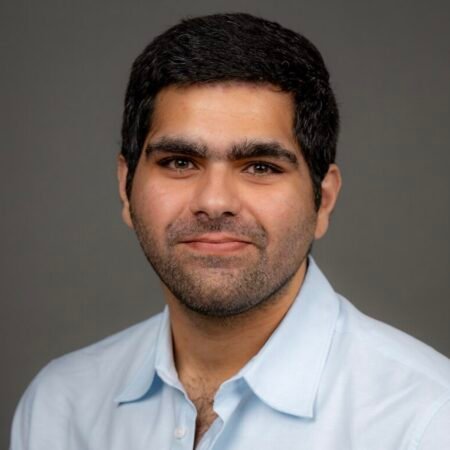


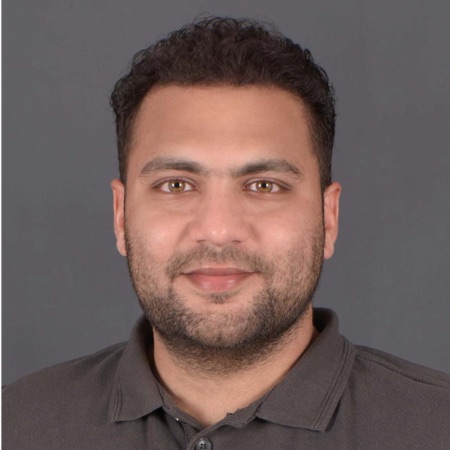








The story.It started in a printing press.
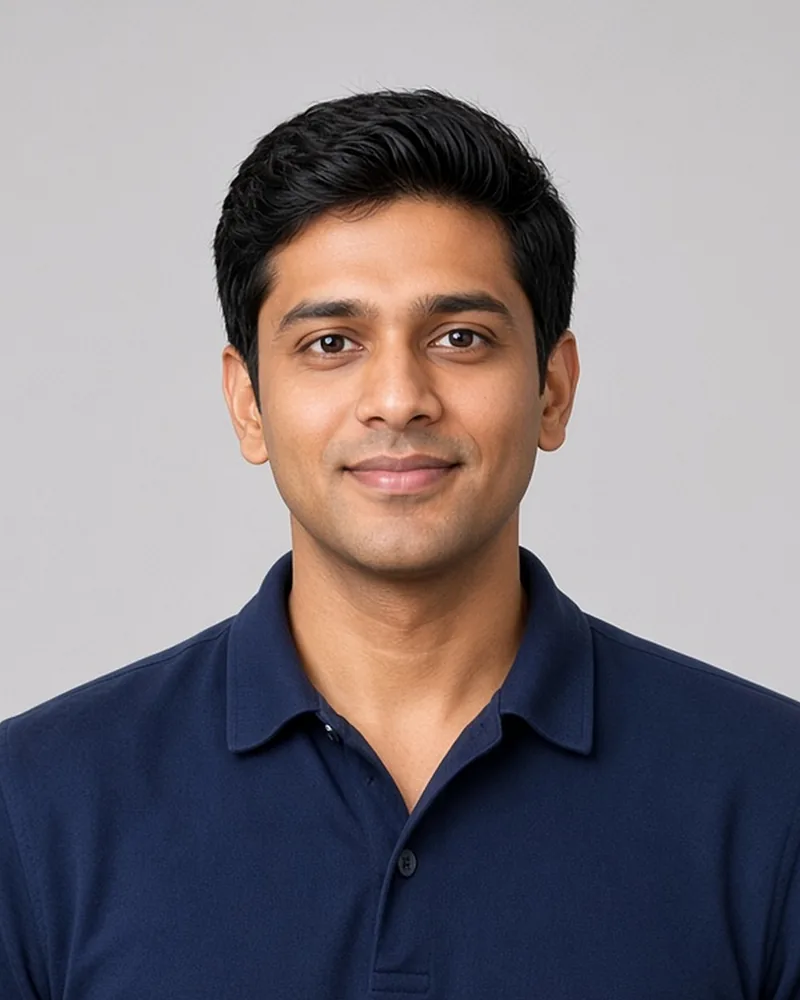
Jawad Farooq Naik, our co-founder, grew up in a family-owned printing press. He spent most of that time in pre-press, the room where the designers sat, working on an old Mac. Watching a thing get made on a screen and then come off the press as a physical object is a specific kind of fascination, and it never really wore off. Everything Pinn.Media does now is a version of that: make it on the screen, then make it real.
He went on to a Bachelor of Fine Arts in Visual Communication Design at the National College of Arts, Lahore, where he trained as a designer and found the creatives he'd end up working with. Pinn.Media started there, as a creative studio.
It grew the slow way. He ran the studio alongside day jobs as a designer at a series of companies, nights and weekends, client by client, until it could stand on its own. It eventually did. Today Pinn.Media is headquartered in the United States, with studios in Allen, Texas, London, and Lahore, where it started, taking projects worldwide.
The studio grew the way the work demanded. Design kept dying in someone else's build, so engineering came in-house. Clients kept needing the machinery that runs after launch, so we added a CRM platform of our own. AI stopped being a topic and became a tool, so it became a core service instead of an add-on. Every pillar we have exists because a client needed it and nobody we could hand it to would do it properly.
Mission & vision
What the work is actually for.
- Mission
- To reduce the friction between a business and the people on the other side of it, its customers, its users, the businesses it sells to. Most of that friction is a design problem wearing a different hat: an unclear choice, a confusing screen, a decision made without the information to make it well. We fix it with better design practice and informed decisions. Design is one of the few levers that makes the world measurably easier to live in, and we intend to keep pulling it.
- Vision
- To bring creativity at its finest to problems that are genuinely complex, and to make them look simple on the way out. The hard part is never the complexity. The hard part is doing the thinking so thoroughly that the person using the thing never has to.